Chatbot for cosmetics shops: advise by skin type without overclaiming
By The AI Chatbot team4 min read
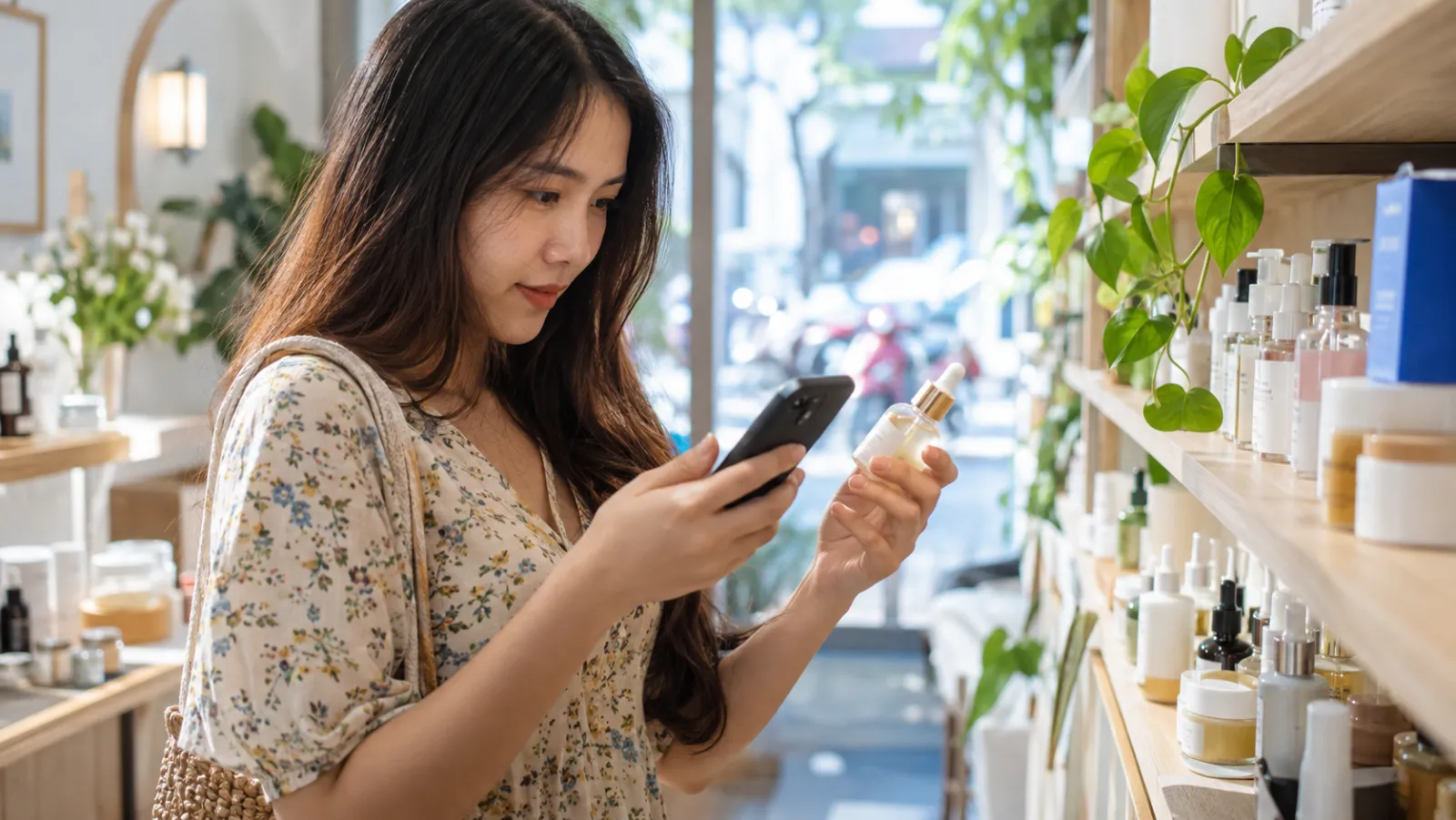
A chatbot for a cosmetics shop is an AI assistant that advises on products by skin type, ingredients, usage and price, based on the shop's own documents. What matters most in cosmetics is that the chatbot only says what a product is allowed to claim, and passes to a person when a customer asks about skin health.
This article covers how to use a chatbot for fast cosmetics answers, how to prepare knowledge by skin type, and how to set limits so it never overclaims.
What do online cosmetics shoppers ask?
- By skin type: "is this OK for oily skin?", "will it irritate sensitive skin?".
- Ingredients: "does it contain alcohol?", "any fragrance?", "can I use it with vitamin C?".
- How to use: "morning or night?", "before or after moisturiser?".
- Authenticity and dates: "is it genuine?", "when does it expire?".
- Price, bundles and deals: "is the bundle cheaper?".
All of these need accurate, consistent answers, which is exactly what a chatbot does well with good data.
Preparing knowledge by skin type
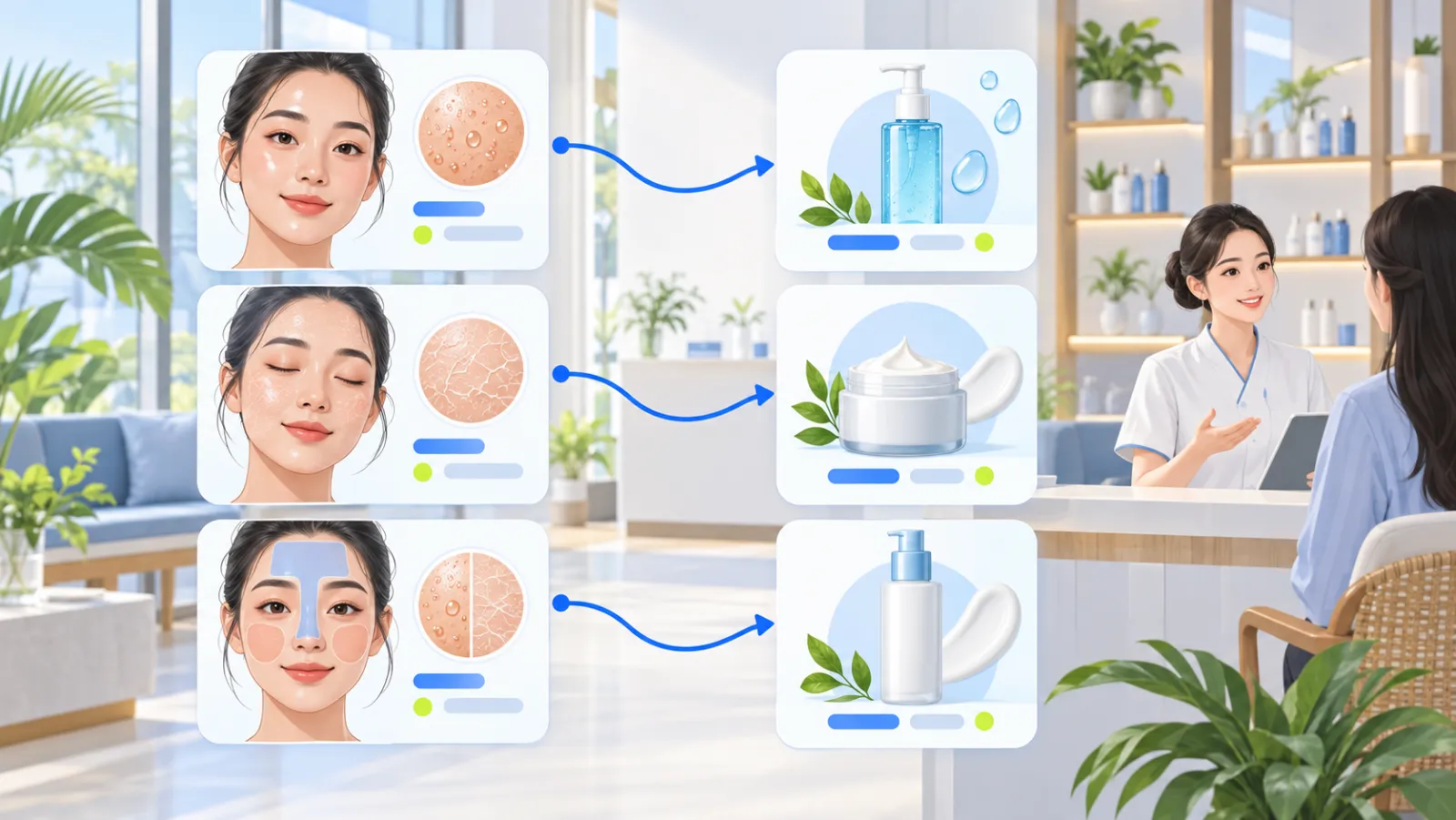
A chatbot only advises well by skin type when each product is clearly described. Prepare a table like this for your main products:
| Product | Suits | Not advised when | How to use | Note |
|---|---|---|---|---|
| Gentle cleanser | Normal, dry, sensitive | - | Morning and night | Fragrance-free |
| Moisturising gel | Oily, combination | Very dry skin needing richer care | After toner | Light texture |
| Vitamin C serum | Most skin types | Skin is currently irritated | Morning, with sunscreen | Store somewhere cool |
The "not advised when" column tells the chatbot when to be careful instead of only saying good things. Upload the table as CSV or type it in as a knowledge note.
Setting limits so the chatbot never overclaims
Cosmetics advertising in Vietnam must match the product's registration and must not suggest a cosmetic is a medicine; many markets have similar rules. The chatbot answers from the knowledge you give it, so the safest control is the knowledge itself:
- Only include official benefits, exactly as described in the registration.
- List banned phrases in the "never say" section of your business profile, such as "cures", "guaranteed to clear acne", "replaces medication".
- Do not let it diagnose. For inflamed acne, allergies or skin conditions, it should suggest seeing a dermatologist.
- Use the "hand off when unsure" rule so sensitive questions go to a qualified staff member.
This protects both your customers and your shop's reputation.
How the chatbot advises one customer
A typical conversation goes like this:
- The customer writes: "I have combination skin, oily T-zone, which moisturiser should I use?".
- The chatbot finds products in your catalog described as suiting combination skin and introduces the moisturising gel with usage steps.
- The customer asks: "can I use it with the vitamin C serum?".
- The chatbot answers from your usage guide, for example serum first, moisturiser after, with sunscreen in the daytime.
- The customer asks about price and stock, and the chatbot answers from the latest product data.
- When the customer wants to buy, staff get a "ready to buy" alert to confirm the order.
Authenticity, expiry dates and returns
Online cosmetics shoppers worry about where products come from. Put the things your shop can prove into its knowledge:
- Where you source products and the documents you are willing to show.
- How to read the expiry date on the packaging and how long a product lasts after opening.
- Your return policy for opened and unopened products, with the number of days.
Questions about a specific batch should be handed to staff.
Selling cosmetics on several channels
Cosmetics shops often sell on TikTok Shop and Shopee alongside a Facebook page. One assistant with shared knowledge gives customers the same answer about ingredients and usage wherever they ask. See how it works on a page inbox in Messenger chatbot for your Facebook page, and the basics in what is an AI chatbot.
Conclusion
For a cosmetics shop, a good chatbot has to be both fast and aware of its limits. Clear skin-type knowledge, a "never say" list and sensible handoff rules let it give useful advice while staying safe. Try the demo to see how it answers, or see pricing.
Frequently asked questions
Can the chatbot recommend products by skin type?
Yes, if your knowledge clearly states which skin types each product suits. The chatbot recommends from those descriptions and does not infer benefits from ingredient names.
How does it answer questions about acne, irritation or skin conditions?
Add to your 'never say' list that the chatbot does not diagnose skin conditions and should suggest seeing a dermatologist, and use the 'hand off when unsure' rule.
How do I stop the chatbot from overclaiming?
Only put benefits into knowledge that match the product's official registration and description, and list banned phrases such as 'cures acne' or 'guaranteed results'.
Does the chatbot know which products are on sale?
Yes, if the promotion is in your knowledge or synced product data. Give start and end dates so it never quotes an expired offer.